
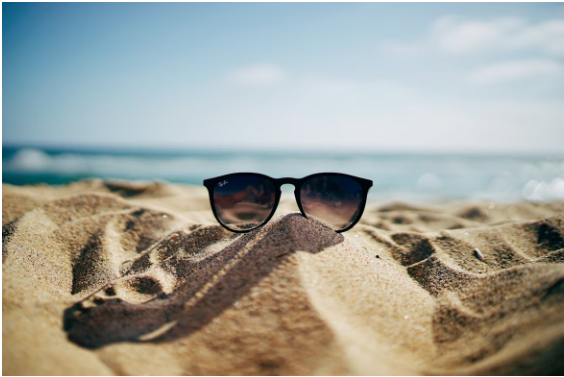
Summer brings longer days and brighter light, which feels wonderful until you realise how much strain your eyes can be under. We often think about sunscreen, hats and drinking enough water, yet our eyes are just as vulnerable to the season’s intensity. Preparing them is not complicated, but it does call for a mix of protection, habits and a bit of planning ahead. With a few small changes, you can step into the warmer months feeling more comfortable and confident.
Understand what your eyes deal with in summer
Strong sunlight is the most obvious challenge. UV rays do not just affect the skin; they reach the eyes too and can contribute to cataracts, irritation and long term damage. People often assume that any pair of dark lenses will shield them, but darkness alone is useless without proper UV protection. Then there is the glare created by water, sand and pavements, which forces your eyes to work harder. Many people find themselves squinting all day, which quickly leads to headaches and fatigue.
Allergies also tend to peak in summer. Pollen, dust and dry air can cause itching, redness and watering. Even those without severe hay fever might notice their eyes feel gritty by the afternoon. Add in the extra time spent outdoors, perhaps cycling, running or travelling, and it becomes clear why summer can leave your eyes feeling overworked.
Digital strain does not disappear either. In fact, many people increase their screen time when the weather improves. Long train journeys, working remotely from sunny spots or scrolling while lounging outside all keep your eyes fixed on close range objects. The contrast between bright outdoor light and lit screens makes focusing more demanding.
Build small habits that protect your eyes
A few adjustments during the day can make a noticeable difference. Start with sunglasses. The best choice is a pair that blocks 100 per cent of UVA and UVB rays. You can get sunglasses with a prescription if you prefer not to switch between your everyday glasses and sun protection. This makes it easier to build the habit of wearing them consistently, and consistency is what protects your eyes from strain and long term damage.
Hydration is another quiet hero. Eyes rely heavily on moisture to stay comfortable, and hot weather drains it more quickly. Drinking water throughout the day helps maintain tear production, which keeps your eyes lubricated and less prone to irritation.
If pollen affects you, close the windows during high pollen hours and avoid rubbing your eyes. It is an instinctive reaction, but it only increases inflammation. Try using a cool compress in the evenings to reduce puffiness and soothe the skin around your eyes. For contact lens wearers, consider switching to daily lenses in summer to reduce the build up of debris and allergens.
For screen time, follow the 20 20 20 rule. Every twenty minutes, look at something twenty feet away for twenty seconds. It sounds simple, but it resets your focus and helps prevent the tired, dry feeling that builds up after long digital sessions. If you work outdoors or near a window, adjust the angle of your screen so the light does not reflect directly into your eyes.
Choose eyewear that suits your needs
Not all sunglasses are equal, and finding the right pair does more than complete a summer outfit. Look for styles that offer full coverage around the sides, especially if you spend time on the water or in very bright areas. Wraparound frames or slightly oversized shapes stop extra light from sneaking in and reduce glare.
Lens colour is worth considering too. Grey lenses reduce brightness while keeping colours natural. Brown lenses improve contrast, which can be helpful for driving or sports. If you need vision correction, you can get sunglasses with a prescription that match your everyday needs so you do not compromise clarity for protection. For those who prefer a single pair for all occasions, photochromic lenses that darken outdoors offer a practical option, though they may change more slowly in cars due to windscreens filtering UV light.
Polarised lenses are especially useful in summer because they reduce glare from reflective surfaces. This is ideal for beach days, fishing trips or holidays by the pool. Glare forces your eyes to strain, so removing it leaves you more relaxed and less fatigued.
If you spend a lot of time exercising outdoors, choose lightweight frames with a secure fit. Sweat and movement can make glasses slide, which means you end up touching your face repeatedly. A stable pair with rubber nose pads or adjustable arms helps keep everything in place.
Support your eyes from within
Diet can influence how comfortable your eyes feel in summer. Foods rich in omega 3, like flaxseed or oily fish, support tear quality. Colourful fruits and vegetables add antioxidants that protect against oxidative stress caused by sunlight. Even small improvements to what you eat can help your eyes cope better with brighter days.
Sleep matters too. A well rested body produces better quality tears and recovers more effectively from irritation or dryness. If you often wake with gritty or red eyes, try using a humidifier at night or lowering the fan speed so the air around you is not too dry.
Preparing your eyes for summer is a mix of sensible habits and choosing the right protection. Even small changes can have a big impact on comfort. You can get sunglasses with a prescription, drink more water, reduce glare and give your eyes regular breaks. With thought and consistency, you can enjoy the brighter days without discomfort holding you back.
