
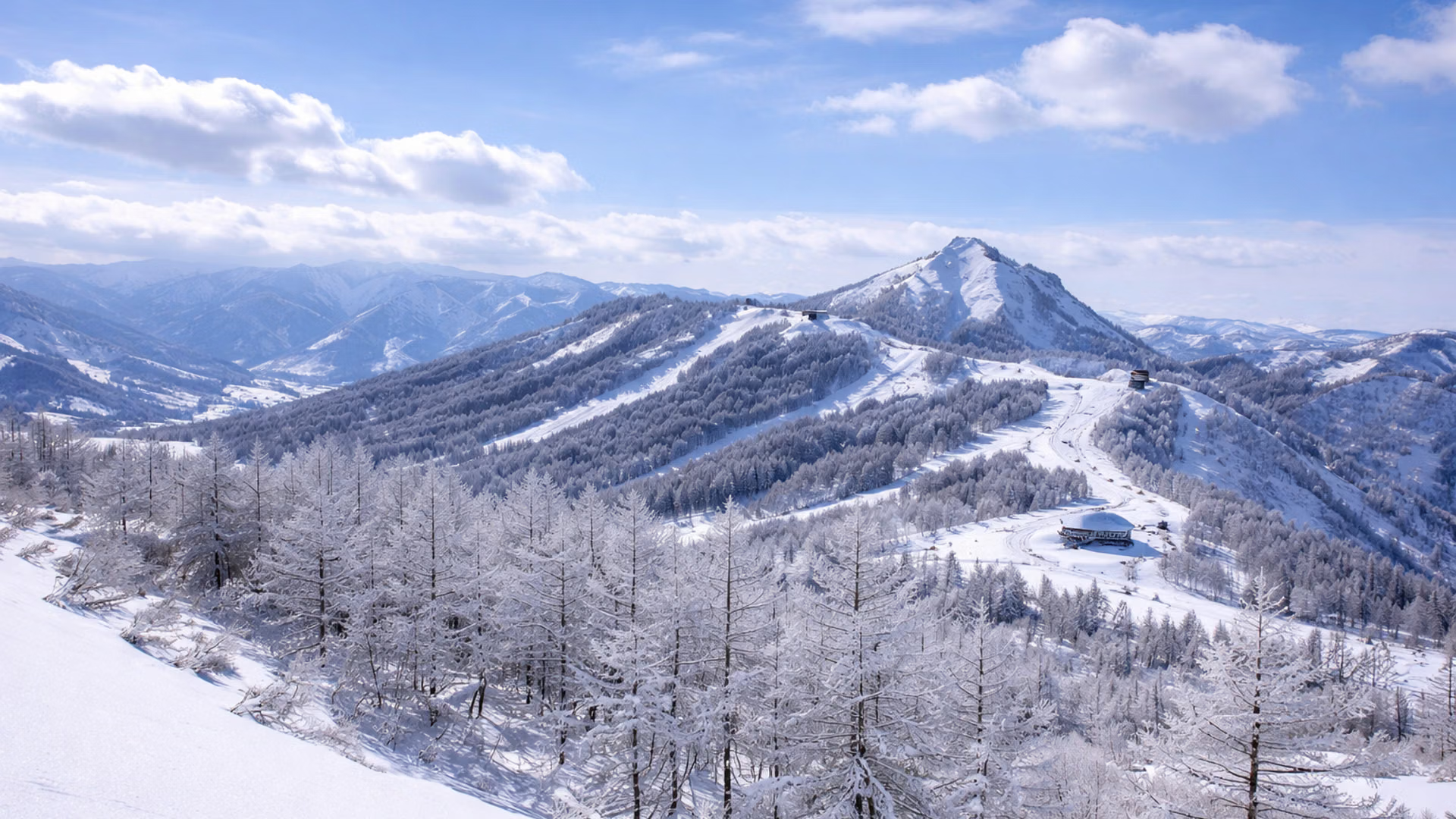
Fresh powder falling between pale birch trunks creates some of the softest terrain anywhere. Many japan ski resorts now open marked woodland zones where guests may ride legally. Northern islands receive heavy, dry snowfall from Siberian winds almost every week. That reliable supply keeps forest floors deep, light, and forgiving through February. Gliding among spaced trees demands control, awareness, and a calm mind. Below, you’ll find practical guidance on safety, gear, timing, and local regulations.
Why Birch Woods Attract Experienced Skiers?
Birch trees usually grow with wide gaps between their trunks on mountain slopes. Their thin branches rarely block sightlines, so riders can plan turns early. Lower limbs often sit high above the snowpack, which reduces the chance of snagging. These open stands feel far more spacious than crowded evergreen forests.
Essential Preparation Before Entering the Trees
Tree skiing carries risks that groomed runs simply do not have. Careful preparation lowers those risks before you even leave the lift.
- Always ride with a partner who can keep you in sight.
- Wear a helmet, since low branches can strike without warning.
- Carry an avalanche transceiver, shovel, and probe beyond marked areas.
- Learn what tree wells are and how to steer clear of them.
- Choose wider powder skis that float easily over deep snow.
- Remove pole straps so branches cannot trap your wrists in falls.
- Check the daily avalanche report posted at the base station.
- Keep a charged phone with the ski patrol number saved.
Understanding Gate Systems and Local Resort Rules
Japanese resorts take boundary rules very seriously. Several areas, including Niseko, use controlled gates that open only when patrol judges conditions safe. Riders who duck ropes or enter closed zones can lose their lift pass immediately. Some resorts also require registration or a helmet check before allowing woodland access.
What Makes Birch Forests Ideal for Tree Skiing?
Birch grows well at middle elevations, where heavy snow settles evenly across fairly open slopes. Because each tree stands apart from its neighbours, skiers have enough room to link several turns before changing their line, which suits a smooth and relaxed rhythm.
The pale bark also stands out sharply against falling snow, even when thick cloud cover flattens the light. That contrast helps riders judge distance and speed more accurately, which matters a great deal on stormy afternoons when the surface becomes difficult to read.
Picking the Right Weeks to Visit
Mid January through mid-February usually brings the deepest, driest powder of the season. Early mornings after overnight storms offer untouched lines before crowds arrive. By March, warmer days can leave a heavy crust that makes tree runs much harder.
Choosing Resorts with Official Woodland Terrain
Not every resort welcomes riders among the trees. Several japan ski resorts in Hokkaido and Nagano now maintain designated glade areas that patrol teams check daily. The Hakuba area has opened more managed tree terrain in recent seasons. Reading each resort’s current trail map before arrival prevents confusion on the mountain.
How Popular Regions Compare for Tree Skiing
Snow quality changes noticeably from one region to another. Hokkaido stays colder, so its powder remains lighter for longer. Honshu resorts often receive larger single storms with slightly wetter snow. Comparing these differences helps you match each destination with your ability.
| Region | Average Seasonal Snowfall | Snow Texture | Tree Access Style | Best Suited For |
| Niseko | About 14 meters | Light and dry | Patrol controlled gates | Strong intermediates and experts |
| Furano | About 9 meters | Very dry and cold | Limited marked zones | Riders wanting smaller crowds |
| Hakuba | About 11 meters | Varies with altitude | Managed areas plus guided tours | Advanced riders |
| Myoko | About 13 meters | Deep and slightly heavier | Patrolled off piste zones | Confident powder skiers |
| Nozawa Onsen | About 10 meters | Moist on lower slopes | Small glades beside runs | Mixed ability groups |
Tree Skiing FAQ for First Visitors
- Do beginners belong in tree runs? No, solid intermediate control is needed first.
- What is a tree well? It’s a deep, loose hollow around a trunk’s base.
- Should I hire a local guide? Yes, guides know safe lines and current conditions.
- Are powder skis available to rent? Most larger resorts rent them at base shops.
- What happens if I ignore closures? Patrol can cancel your lift pass without a refund.
- How wide should powder skis be? Around 105 millimeters underfoot suits most riders.
Small Habits Shape Better Glade Days
Good days in snowy groves rarely come down to luck. They come from checking reports, carrying proper equipment, and staying close to a partner. Perfect technique matters less than repeating these simple habits on each outing. Skiers who follow patrol advice consistently tend to enjoy more seasons with fewer injuries. Prepare well, move carefully, and let your skill grow one winter at a time.
