
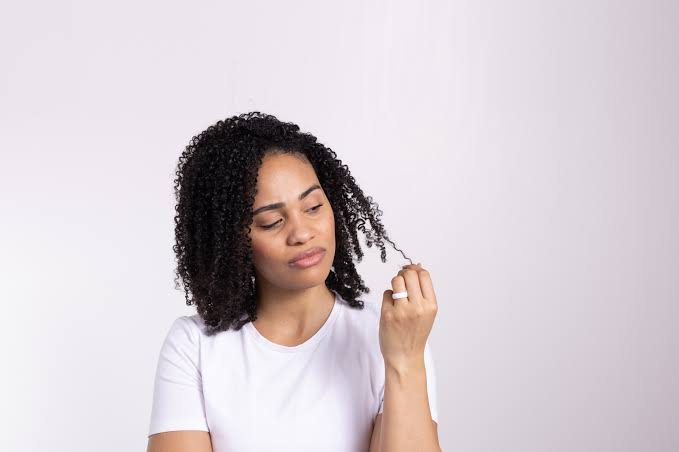
Hair goes through daily stress from heat styling, colouring, pollution, and regular brushing. Over time, these factors can weaken the hair structure and make strands appear dry, rough, and prone to breakage. As awareness around hair health grows, more people now look beyond surface-level care. This is why bond repair is becoming an important part of modern hair care routines.
Understanding Hair Bonds and Why They Matter
Hair contains internal bonds that help maintain its strength, shape, and elasticity. When these bonds become damaged, hair loses its resilience and becomes more vulnerable to breakage.
Common causes of bond damage include:
- Frequent heat styling
- Chemical treatments such as colouring or bleaching
- Environmental stress
- Mechanical damage from brushing and friction
While traditional products mainly focus on improving the appearance of hair, bond repair products target damage within the hair structure. This approach helps support stronger and healthier-looking hair over time.
Why Bond Repair Has Become More Relevant
Modern lifestyles often expose hair to multiple forms of stress. Straighteners, curling tools, and hair colouring have become common parts of personal grooming routines. As a result, many people experience signs of damage even without realising it.
Consumers now seek solutions that address the root cause of hair concerns rather than providing temporary results. Bond repair answers this need by supporting hair from within.
This shift reflects a growing preference for hair care routines that combine immediate softness with long-term care.
The Role of Conditioner in Bond Repair
Conditioner remains one of the most important steps in maintaining healthy hair. Choosing the right formula can help improve manageability while supporting damaged strands.
A bond repair conditioner works to nourish hair and help reinforce weakened areas. Regular use can leave hair feeling smoother, easier to manage, and visibly healthier.
For people dealing with breakage or loss of strength, selecting products designed for damaged hair can make a noticeable difference to their routine.
Supporting Weak Hair with Targeted Ingredients
Weak hair often requires more than basic moisturisation. Ingredients that support hair strength can help improve the overall condition of the hair fibre.
Many people look for a biotin conditioner for weak hair because biotin is widely associated with hair care and strengthening support. Using products formulated for fragile strands can help maintain smoother and healthier-looking hair with continued use.
Combining strengthening ingredients with bond repair technology creates a more complete approach to hair care.
Why Bond Repair Fits into Today’s Hair Care Routine
Hair care has evolved from simple cleansing to targeted treatment. People now expect products to address specific concerns and deliver lasting benefits.
Adding bond repair products to a routine helps support hair exposed to everyday damage. Whether hair is coloured, heat-styled, or naturally prone to weakness, bond repair provides an extra layer of care that aligns with modern hair needs.
Conclusion
Healthy-looking hair starts with caring for its structure. Bond repair has become an essential step because it addresses damage where it begins rather than only improving appearance. With the right routine, you can support stronger, smoother, and more resilient hair as part of your everyday hair care journey.
