
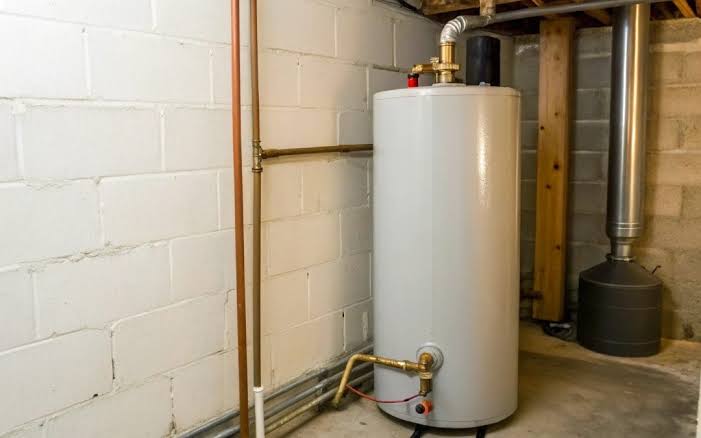
A storage water heater is designed to keep hot water readily available whenever you need it. Whether it is for a morning shower, washing dishes or everyday household cleaning, having hot water on demand adds convenience to daily life. However, even when no hot water is being used, the water stored inside the tank gradually loses heat over time. This process is known as standby heat loss.
As the stored water cools, the heater needs to switch on periodically to restore the desired temperature. While some heat loss is unavoidable, excessive heat loss can increase energy consumption and reduce the overall efficiency of the system. The good news is that a few practical measures can help your storage water heater retain heat more effectively and reduce unnecessary energy usage between uses.
1. Choose a Water Heater with Good Insulation
The insulation around the storage tank plays an important role in reducing heat loss. A well-insulated tank slows down the transfer of heat from the hot water to the surrounding environment. When choosing a new water heater, look for models designed with effective insulation. Better insulation can help the stored water retain its temperature for longer, reducing the need for frequent reheating.
- Avoid Setting the Temperature Higher Than Necessary
A higher temperature difference between the hot water inside the tank and the surrounding air can result in greater heat loss. Setting the water heater to a practical temperature for your household needs can help reduce unnecessary energy use. There is usually little benefit in keeping the water much hotter than required, particularly if you only need warm water for everyday bathing and cleaning.
- Use the Heater Around Your Routine
If your household follows a fairly predictable bathing schedule, try to operate the water heater around those usage periods. Constantly keeping the heater running when hot water is unlikely to be needed can increase standby energy consumption. Using the heater according to your daily routine can help ensure that hot water is available when required without unnecessarily maintaining high temperatures throughout the day.
- Keep the Area Around the Heater Suitable
The environment around a storage water heater can also influence heat retention. If the heater is installed in a particularly cold or exposed area, heat may escape more quickly from the tank and connected pipes. Where possible, install the unit in a suitable location away from extreme cold or direct exposure to outdoor conditions. Proper installation also helps ensure that the heater performs as intended.
- Maintain the Water Heater Regularly
Regular maintenance helps keep a storage water heater working efficiently. Over time, components can require attention, while mineral deposits may build up depending on the water quality in your area. Following the manufacturer’s maintenance recommendations and getting the heater checked when necessary can help maintain its performance and identify potential issues early.
Conclusion
Reducing heat loss from a storage water heater is not about making major changes to your routine. Choosing good insulation, using sensible temperature settings, operating the heater around your household schedule and maintaining the system properly can all help. Together, these simple steps can reduce standby heat loss, support efficient operation and help you make better use of the hot water your heater stores.
