
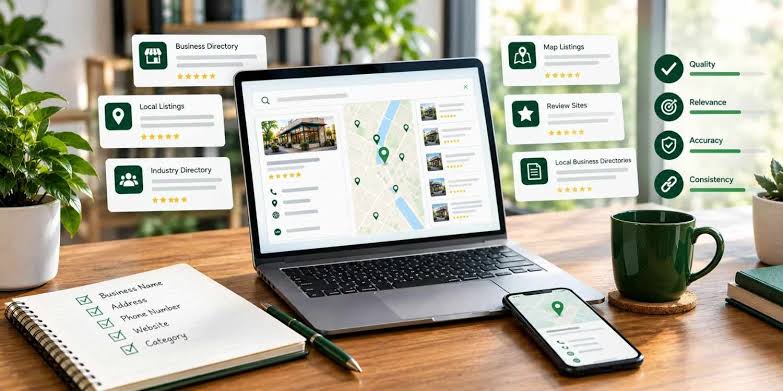
A real estate office makes a first impression before a prospective buyer walks through the door. People may discover a branch while searching for an agent nearby, checking opening hours on their phone, or comparing neighbourhood specialists. That is why accurate business listings for real estate branches matter: they help people find the right office, contact it confidently, and understand what it can offer.
For a business with several locations, local visibility is not just a technical task. It is part of how the brand presents itself across different communities. Consistent details, useful local information, and property pages that answer real questions can make an agency easier to trust online and in person.
Start with consistent branch information
Each branch should have a clearly defined name, address, phone number, opening hours, and service area. Keep these details consistent across the agency website, map platforms, and relevant local directories. Even small differences, such as an old phone number or a suite number missing from one listing, can confuse customers and make it harder for search engines to connect the information.
Give every office its own location page on the main website. Include directions, parking or transit details, the team’s local expertise, and the types of property services available there. Avoid copying the same generic paragraph onto every branch page. A useful page should tell a reader what makes that office relevant to its neighbourhood.
Make property pages genuinely helpful
Property listings are often the most frequently updated pages on an agency website, so they deserve more attention than a set of photos and a short description. Use clear titles, accurate prices and specifications, and original descriptions that explain the property’s practical appeal. Mention details buyers and renters care about, such as storage, outdoor space, accessibility, or proximity to local amenities, where those claims are accurate.
Good photography also shapes how people perceive a listing. Use bright, well-composed images that represent the space honestly. A polished presentation can help a property stand out without relying on exaggerated language. Keep listing pages easy to browse on a phone, with contact options that are obvious and current.
Useful supporting content can answer questions before a customer calls. A neighbourhood guide, a first-time seller checklist, or an explanation of the rental process can attract people at different stages of a decision. For a fuller overview of local visibility, citations, content, and link building, see this guide to real estate SEO.
Build local trust beyond the website
Listings and website pages work best when they are supported by a credible presence elsewhere online. Check that local citations—the business details published by directories and community sites—are current. Ask satisfied clients for honest reviews, and respond to feedback calmly and professionally. A thoughtful response shows that the agency listens, even when the review is critical.
Local partnerships can also create useful visibility. A branch might contribute a practical article to a neighbourhood publication, share market insight with a community organisation, or take part in a local event. Guest posting, link building, and digital PR can support a broader strategy when they earn relevant attention rather than chasing links for their own sake. The focus should remain on useful expertise and genuine local relationships.
Choose SEO help with clear expectations
Real estate SEO can involve many moving parts, from technical fixes to content planning and location-page improvements. If you bring in a freelancer or agency, decide what needs to change before agreeing to a project. Ask for a defined scope, a timeline, and deliverables you can review. You should be able to tell what work is being done and how progress will be measured.
Cost matters, but the cheapest quote may not explain what is included. A useful discussion covers priorities, reporting, access to accounts, and what happens if results are slower than expected. If rankings have dropped, investigate the cause before commissioning a large package; site changes, outdated pages, or shifts in local competition may all play a part. Osdire’s advice on how to recover lost rankings is a helpful starting point for evaluating scope and freelancer costs before paying anyone.
A practical 90-day plan
A short plan can keep the work manageable and make progress easier to assess. In the first month, audit branch listings, correct outdated details, and check that every location has a useful page on the agency website. Make a record of the current state so you can compare later.
In the second month, improve priority property pages and add one or two local resources that address common customer questions. Review mobile usability, page titles, contact details, and image quality as part of the same process. In the third month, look for relevant local partnerships or publication opportunities, strengthen review responses, and assess which pages are attracting visits and enquiries.
Do not judge the whole effort by a single ranking or a sudden jump in traffic. Track practical outcomes such as calls, viewing requests, form submissions, and visibility for important local searches. Accurate branch information is a simple foundation, but its real value comes from combining it with clear content and a reliable customer experience. When every online detail supports the same professional impression, people have fewer reasons to hesitate before getting in touch.
